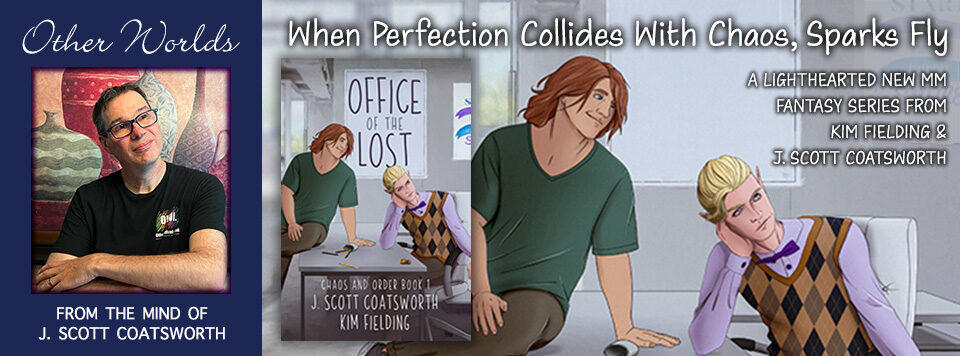
As writers, we stand on the shoulders of those who came before us. I was reminded of this today, while working on one of the final chapters of the sequel to Office of the Lost.
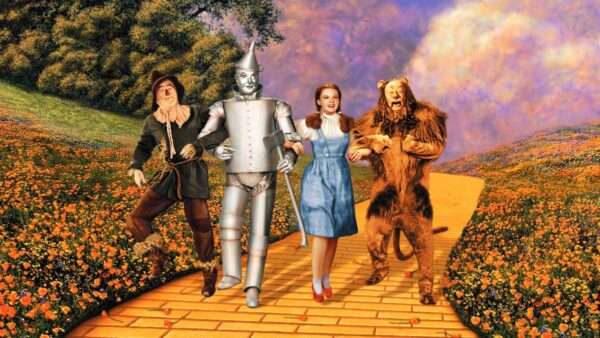
There’s an undeniable thread of the Wizard of Oz running through the whole book. It wasn’t intentional – it just kind of snuck up on us during the writing process. But now it’s become an integral part of the plot.
When I was a kid, we all had much more of a shared culture than we do now. Believe it or not, here were only four TV channels – CBS, ABC, and PBS, and then two more more when Ted Turner’s “super stations” came along on basic cable. We all watched the same things, and because of that, we had a cultural connection through these shared experiences.
Today, we live in a much more fractured media environment. There are approximately 1 million TV channels to choose from, at least 100,000 streaming services, and so, so many websites, each providing us with content, content, content content content until our heads want to explode.
It’s no wonder that we as a society are no longer working from the same playbook. We can each find the things that appeal to us most, and dive deeply into them, which in some ways is a blessing. But also means that something valuable has been lost – that shared sense of who we are.
Referencing earlier works and making connections to them through our own fiction is one way we, as authors, can try to restore some of that lost communal heritage.
I’ve done it before, in my Oberon trilogy. There are many callbacks to Shakespeare’s Midsummer Night’s Dream, including place names, ideas, and even part of the overall plot.
And I’ve written retellings of myths, which recontextualize these foundational stories we tell ourselves for a modern audience.
Part of being an author is absorbing everything around you – the shows you watch, the things you read, the people you meet, and the experiences you have as you move through the world – and blending them all up in your brain to create something fresh and new, that is nevertheless recognizable to your audience, because it draws on that common experience.
Sometimes we do so intentionally, sometimes by accident, but all of it serves an important purpose – to try to weave us back together as a people, as a country, as a society, and a world.
So if you are one of my writing friends, keep up this important work. Make these connections, and help us all find that sense of shared community again.
Because what we need more than anything right now are things that have the power to bring us all back together.